

Hnycareershub
Add a review FollowOverview
-
Founded Date July 30, 1922
-
Sectors Accounting / Finance
-
Posted Jobs 0
-
Viewed 753

Company Description
NHS: Belonging in White Corridors
In the sterile corridors of Birmingham Women’s and Children’s NHS Foundation Trust, a young man named James Stokes moves with quiet purpose. His oxford shoes barely make a sound as he greets colleagues—some by name, others with the comfortable currency of a “good morning.”

James carries his identification not merely as a security requirement but as a testament of belonging. It sits against a pressed shirt that offers no clue of the difficult path that led him to this place.
What distinguishes James from many of his colleagues is not visible on the surface. His demeanor gives away nothing of the fact that he was among the first beneficiaries of the NHS Universal Family Programme—an effort crafted intentionally for young people who have been through the care system.
“I found genuine support within the NHS structure,” James says, his voice measured but tinged with emotion. His observation captures the core of a programme that strives to transform how the massive healthcare system perceives care leavers—those vulnerable young people aged 16-25 who have transitioned from the care system.
The figures reveal a challenging reality. Care leavers frequently encounter higher rates of mental health issues, money troubles, accommodation difficulties, and diminished educational achievements compared to their peers. Underlying these impersonal figures are individual journeys of young people who have navigated a system that, despite good efforts, frequently fails in offering the nurturing environment that forms most young lives.
The NHS Universal Family Programme, launched in January 2023 following NHS England’s promise to the Care Leaver Covenant, represents a substantial transformation in institutional thinking. Fundamentally, it recognizes that the complete state and civil society should function as a “collective parent” for those who haven’t known the constancy of a traditional family setting.
Ten pioneering healthcare collectives across England have led the way, creating frameworks that reimagine how the NHS—one of Europe’s largest employers—can create pathways to care leavers.
The Programme is meticulous in its methodology, starting from detailed evaluations of existing policies, forming management frameworks, and obtaining leadership support. It understands that effective inclusion requires more than lofty goals—it demands concrete steps.
In NHS Birmingham and Solihull ICB, where James began his journey, they’ve created a regular internal communication network with representatives who can offer support, advice, and guidance on personal welfare, HR matters, recruitment, and equality, diversity, and inclusion.
The conventional NHS recruitment process—structured and potentially intimidating—has been thoughtfully adapted. Job advertisements now focus on attitudinal traits rather than long lists of credentials. Application processes have been reconsidered to consider the unique challenges care leavers might experience—from lacking professional references to facing barriers to internet access.
Possibly most crucially, the Programme recognizes that entering the workforce can present unique challenges for care leavers who may be handling self-sufficiency without the backup of family resources. Issues like commuting fees, identification documents, and banking arrangements—considered standard by many—can become significant barriers.
The elegance of the Programme lies in its attention to detail—from clarifying salary details to offering travel loans until that critical first payday. Even seemingly minor aspects like rest periods and office etiquette are deliberately addressed.
For James, whose professional path has “revolutionized” his life, the Programme offered more than work. It gave him a perception of inclusion—that intangible quality that develops when someone is appreciated not despite their history but because their unique life experiences enhances the institution.
“Working for the NHS isn’t just about doctors and nurses,” James comments, his expression revealing the modest fulfillment of someone who has found his place. “It’s about a collective of different jobs and roles, a team of people who truly matter.”
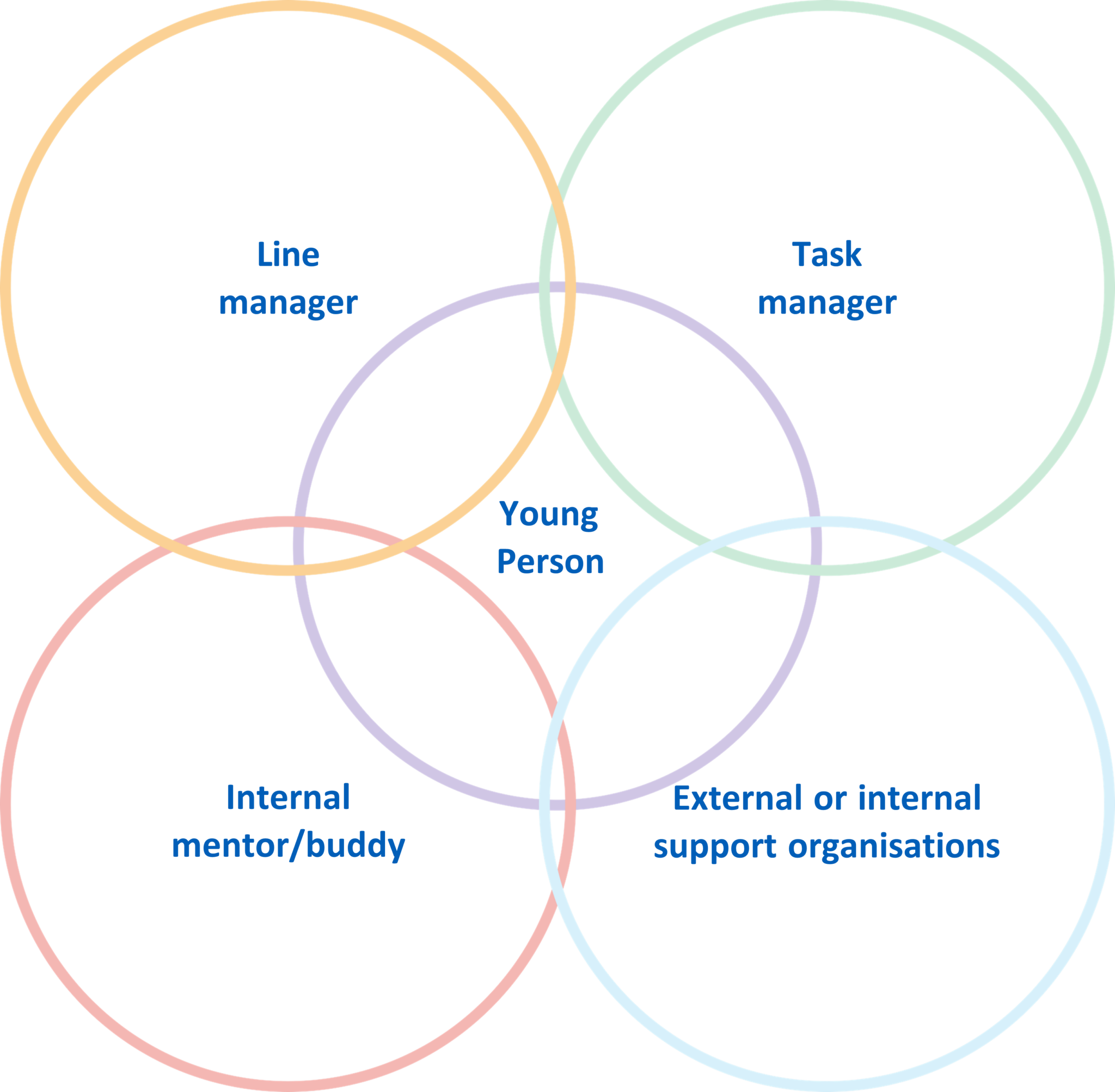
The NHS Universal Family Programme exemplifies more than an employment initiative. It stands as a bold declaration that systems can evolve to embrace those who have known different challenges. In doing so, they not only transform individual lives but improve their services through the special insights that care leavers bring to the table.
As James moves through the hospital, his presence quietly demonstrates that with the right help, care leavers can thrive in environments once thought inaccessible. The arm that the NHS has provided through this Programme symbolizes not charity but recognition of untapped potential and the essential fact that everyone deserves a support system that supports their growth.
